Saber Fencing Target Area: What Counts as a Valid Touch
Published
In saber, only hits above the hips count. Here is the FIE line, what the lamé covers, and why a cut to the leg does not stop the bout.
Saber Fencing Target Area: What Counts as a Valid Touch
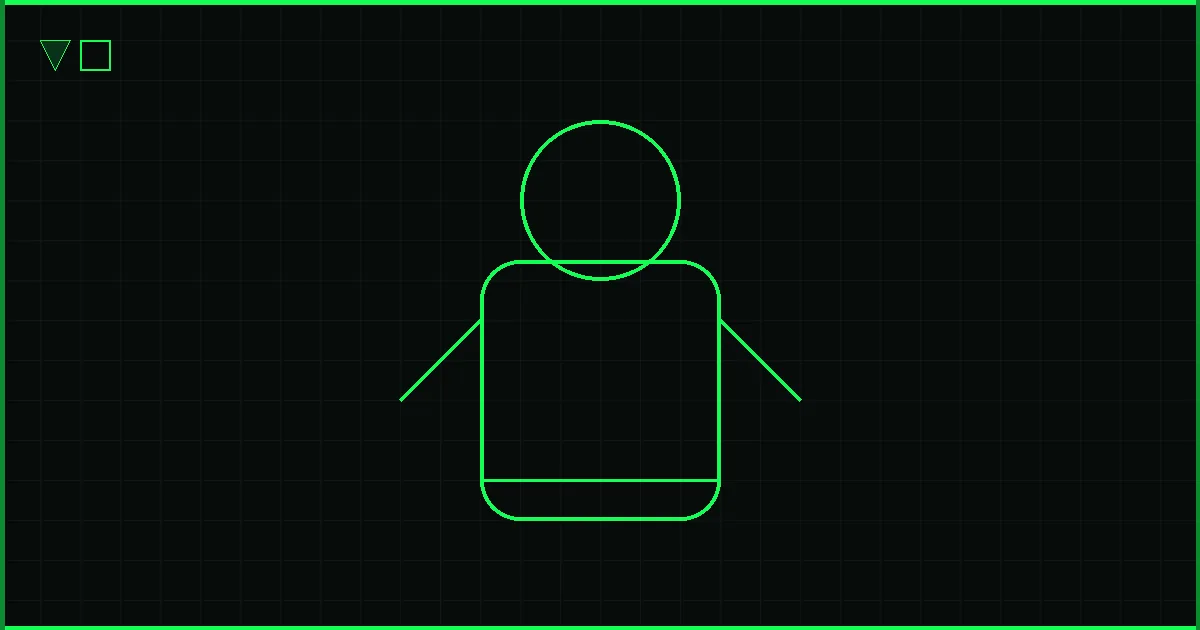
The saber fencing target area is everything above a horizontal line at the top of the hip bones, all the way around the trunk. Head, arms, and torso above that line count. Below it does not.
That line is not club folklore. It is written into the FIE Technical Rules (August 2026), article t.97.
The official line (FIE t.97)
FIE article t.97 says only hits that arrive on the target are valid. The target is any part of the body above a horizontal line drawn between the tops of the hip bones and then horizontally around the fencer's trunk.
NBC Olympics describes the same zone in plain language: from the bend of the hips (front and back) to the top of the head, including both arms and the mask. The shape is meant to match a cavalry rider on horseback.
If you already read our overview of what the sport of fencing is, this is the saber-specific map behind that short summary.
How a saber touch is made (FIE t.96)
Saber is a cutting and thrusting weapon. Under FIE t.96:
- Hits with the cutting edge count.
- Hits with the flat of the blade count.
- Hits with the back of the blade count.
- Thrusts with the tip count.
Hits made with the guard do not. Those are annulled, and the fencer who hit with the guard is penalized under the first group of offences.
NBC Olympics matches this: saber touches may be scored with the front edge, the last one-third of the back edge, or the tip. Foil and épée score with the tip only.
What the lights do (and do not do)
In competition, the conductive jacket (lamé), conductive cuff, and conductive mask define the valid surface for the scoring box.
NBC Olympics: a red or green light lights when the blade contacts the opponent's torso, arms, or head. Contact elsewhere does not register. No light.
FIE t.98 is stricter about the phrase: a hit on a non-valid part is not counted, is not registered by the apparatus, does not stop the fencing phrase, and does not annul later hits. Action continues until a valid light (or the referee stops for another reason).
That is a big foil-vs-saber difference. In foil, an off-target hit stops the phrase. In saber, a cut to the thigh is ignored by the box, and the bout keeps going.
Olympics.com notes the same pattern: off-target hits in sabre do not stop the action; the phrase continues until a valid touch scores. Electrical scoring for sabre arrived in 1988, after foil and épée already used it.
Quick comparison across weapons
| Weapon | Scoring surface | Valid target | |--------|-----------------|--------------| | Foil | Tip only | Torso (limited) | | Épée | Tip only | Entire body | | Saber | Edge, flat, back, tip | Above the hips (head, arms, torso) |
Foil and saber both use right-of-way. Épée does not. For priority when both lights fire, see our post on right of way in saber fencing if it is live on the site; otherwise ask a coach to walk a double-light phrase on the strip.
Covering target is illegal
FIE t.97 also forbids protecting or substituting the target by covering it. A hit scored by the fencer at fault is annulled, and the referee applies first-group penalties. Same idea as the general rule in t.29: you cannot hide valid surface with a non-valid surface or the non-sword hand.
What this means in a first class
Beginners often cut at the legs because that is where the blade wants to go when the arm drops. Those cuts feel real. On electric gear, they do nothing. Coaches will pull your hand up and put the cut on the mask, shoulder, or arm instead.
The lamé ends around the waist line that matches the hip-bone rule. If a patch of jacket is not covering valid target when you are en garde, the referee can stop you before the bout starts (equipment check under the material rules).
Sources
- FIE Technical Rules, August 2026 — t.96 (method of making a hit), t.97–t.98 (target and off-target)
- NBC Olympics — Fencing 101: Rules and Scoring — sabre target, edge/tip scoring, light behavior
- Olympics.com — Everything you need to know about fencing — upper-body target, lamé/mask, 1988 electric sabre, off-target does not stop the phrase
Try it in Bethesda
Saber Nation is a saber-focused club at 4701 Sangamore Road in Bethesda. We lend beginner gear and teach the target the way the box reads it. If you want one-on-one work on hand height and cut placement, start with private lessons or contact us.
Related guides
Train saber in Bethesda
Saber Nation is a dedicated saber club led by Owner and Head Coach Fikrat Valiyev at 4701 Sangamore Road, Suite LL2, Bethesda, MD 20816.