How Electric Scoring Works in Saber Fencing: Lights, Lamé, and Timing
Published
Red and green lights prove a saber touch landed. Here is how lamé, body cords, the 170 ms window, and the referee’s priority call work together in saber fencing scoring.
How Electric Scoring Works in Saber Fencing: Lights, Lamé, and Timing
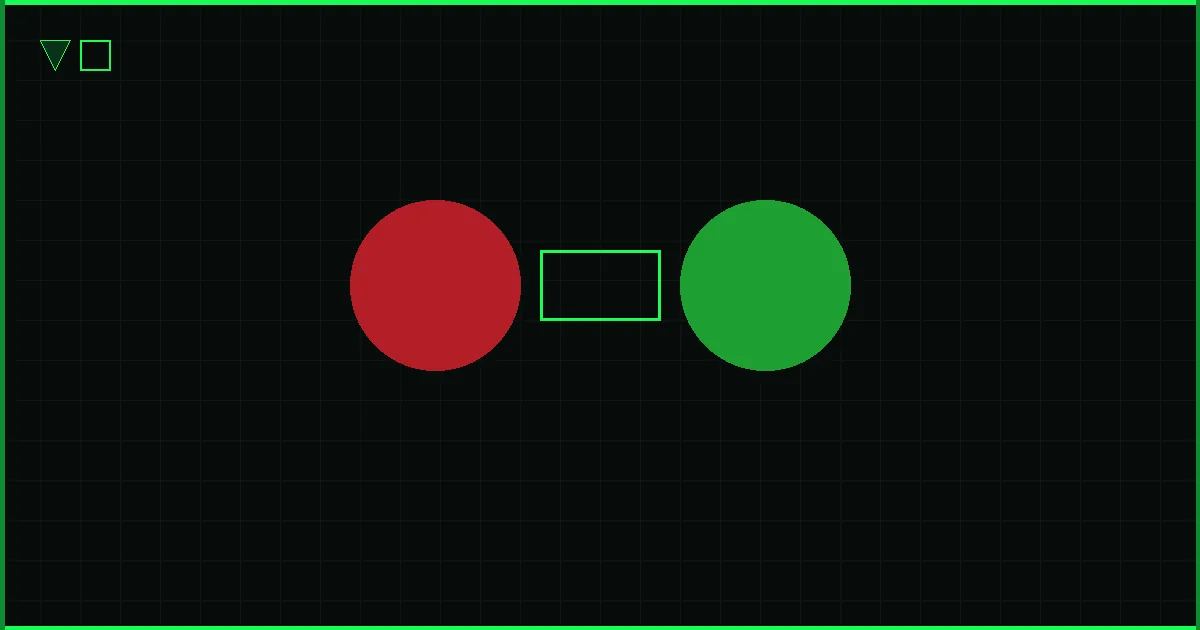
Red or green lights decide whether a saber touch landed. Saber fencing scoring is electrical first. The referee still decides priority. The box decides materiality.
Olympics.com dates the scoring hardware by weapon: épée in 1933, foil in 1956, and sabre in 1988 (Everything you need to know about fencing). NBC Olympics notes that modern Olympic bouts rely on that apparatus because exchanges are too fast to call by eye alone (Fencing 101: Rules and Scoring).
What the box actually registers
FIE Technical Rules (August 2026) are blunt. Competitions are judged with an electrical recording apparatus (t.53). The materiality of a hit comes from the apparatus lamps. The referee may not award a hit the box never registered, except for limited penalty cases (t.54) (FIE Technical Rules PDF).
At sabre, the circuit is contact, not tip pressure. FIE Material Rules Annexe B says the apparatus works by contact between any uninsulated part of the sabre and the opponent’s conductive jacket, glove, and mask. Valid contact shows a red light on one side and a green light on the other. Hits on non-conductive surfaces must not be signalled (FIE Material Rules PDF).
NBC Olympics matches that picture for Olympic sabre: a colored light when the edge meets torso, arms, or head. Contact elsewhere lights nothing (Fencing 101: Rules and Scoring).
That is why an off-target cut does not freeze sabre the way foil often does. FIE t.98 says a hit on a non-valid part is not counted, is not registered, does not stop the phrase, and does not annul later hits (FIE Technical Rules PDF). For what counts as valid target itself, see our saber fencing target area guide.
Lamé, mask wire, and the path to the reel
Olympics.com describes the last pieces of kit that make scoring automatic: the lamé over the scoring area, plus the body cord to the weapon (Everything you need to know about fencing).
FIE Material Rules m.34 require a conductive over-jacket covering the valid surface above the hip-bone line, sleeves to the wrists, a collar at least 3 cm high, and a conductive back flap for the mask crocodile clip (FIE Material Rules PDF). The mask bib and glove cuff finish that circuit. Armory checks those pieces hard; our saber fencing equipment post covers what gets measured.
Yellow lamps matter on the strip. Annexe B for sabre says each side has a yellow lamp that signals contact between a fencer’s own guard or blade and their own conductive surface. A valid touch by that fencer must still be able to register. White lamps flag abnormal circuit faults (FIE Material Rules PDF).
How the blade scores before the light fires
Sabre is cut and thrust. FIE t.96 counts hits with the cutting edge, the flat, or the back of the blade. Hits with the guard are forbidden and annulled (FIE Technical Rules PDF). NBC Olympics lists the scoring surfaces as the front edge, the last third of the back edge, or the tip (Fencing 101: Rules and Scoring).
The weapon itself is light and short by rule. FIE m.21–m.22 cap total sabre length at 105 cm and ready-to-use weight under 500 g. Olympics.com cites the same 500 g maximum for Olympic sabre (FIE Material Rules PDF; Olympics.com fencing overview).
Annexe B also sets how brief a contact can be and still light the box: a sabre signal should be ensured for contact lasting 0.1–1 ms. Apparatus that register below 0.1 ms can be rejected (FIE Material Rules PDF).
The 170 ms window when both lights fire
Both sides can light. That does not mean both points count.
FIE Annexe B for sabre: after a hit is registered, a subsequent hit by the other fencer registers only if it arrives within a maximum of 170 ms (± 10 ms) (FIE Material Rules PDF). The FIE’s 2016 sabre apparatus update made that the competition standard for season 2016–2017, moving the double-hit window from 120 ms ± 10 to 170 ms ± 10 (New Rules for the Sabre PDF).
Inside that window, priority still decides the touch. That is right of way, not the clock. See right of way in saber fencing. Outside the window, the second light never appears, so there is nothing for the referee to award from that second contact.
What parents see from the stands
- Colored light (red or green): on-target contact registered.
- No light after a cut to the legs: no registration, fencing continues (t.98).
- Yellow light: that fencer’s weapon is touching their own lamé or similar conductive kit.
- Both colored lights: check the 170 ms window, then listen for the referee’s priority call.
Olympics.com also notes the piste size used for Olympic fencing: 14 m long and 1.5–2 m wide (Everything you need to know about fencing). The reel at each end keeps the body cord taut while fencers move that distance.
Practice vs tournament boxes
Club open fencing often uses the same light logic as national events. The FIE rulebooks above are the reference for sanctioned competition. Local boxes can vary in how clearly they show yellow faults or audio cues, but the core idea stays the same: conductive target completes the circuit, colored lights prove materiality, and priority awards the point when both fire.
If you are starting saber in the DMV, Saber Nation’s Bethesda salle (4701 Sangamore Rd Suite LL2) is saber-focused. Questions about electric gear or first tournament nights are fair game in a private lesson or through contact.
Related guides
Train saber in Bethesda
Saber Nation is a dedicated saber club led by Owner and Head Coach Fikrat Valiyev at 4701 Sangamore Road, Suite LL2, Bethesda, MD 20816.